
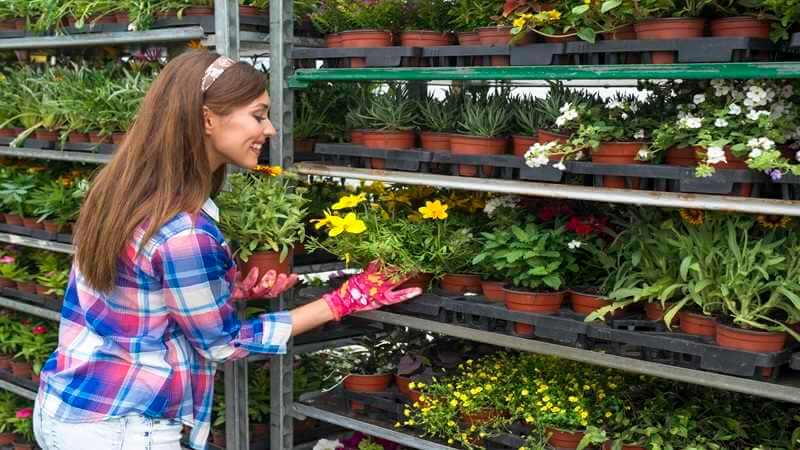
Creating a garden that looks beautiful, feels relaxing, and stays easy to maintain is possible for anyone. You do not need professional experience or a large budget to design a stunning outdoor space. With the right strategy and a clear understanding of design principles, you can turn even a small yard into a vibrant and functional environment.
This complete guide on decoradhouse garden tips by decoratoradvice will walk you through everything—from beginner landscaping ideas to plant selection, design fundamentals, and common mistakes to avoid. By the end, you will have a clear roadmap to build and maintain a garden that reflects your style and meets your needs.
Understanding the Basics of Garden Design
Before you start planting or decorating, you must understand how garden design works. A well-planned garden combines structure, balance, and creativity. Instead of placing elements randomly, you should follow a thoughtful layout.
First, observe your space carefully. Notice how sunlight moves throughout the day, identify shaded and sunny areas, and check your soil condition. These factors will influence your plant choices and layout decisions.
Next, define your purpose. Do you want a relaxing space, a decorative garden, or a functional area for growing herbs and vegetables? Once you set a goal, it becomes easier to design your garden effectively.
How to Decorate Your Garden for Beginners
If you are just starting, focus on simple ideas that create a big visual impact without overwhelming you.
Create a Curved Stone Path
Curved pathways make your garden look natural and inviting. Unlike straight paths, they guide the eye smoothly through the space and add elegance.
Use Raised Garden Beds
Raised beds improve soil quality and drainage. They also make planting and maintenance easier, especially for beginners.
Position Furniture Smartly
Always place your garden furniture based on sunlight. For example, choose shaded areas for hot afternoons and sunny spots for cooler mornings.
Add a Trellis for Climbing Plants
A trellis supports climbing plants and adds vertical interest. It helps you use space efficiently while enhancing beauty.
Install a Living Wall
Living walls are perfect for small gardens. They create a lush, green focal point and make your space feel modern and fresh.
Practice Landscape Layering
Arrange plants in layers—tall at the back, medium in the middle, and short in the front. This technique creates depth and a professional look.
Use Gabion Features
Gabion structures add a modern and artistic touch. They can serve as borders, seating areas, or decorative elements.
By applying these techniques, you can confidently follow decoradhouse garden tips by decoratoradvice and build a visually appealing garden from the start.
How to Make Your Garden Look Pretty
A beautiful garden depends on color, texture, and harmony. You can enhance your garden’s appearance with these proven tips:
Add Flowering Plants
Flowers bring life and color. Choose a mix of seasonal and perennial plants for year-round beauty.
Control Weeds
Weeds can quickly ruin your garden’s look. Use mulch or regular maintenance to keep them under control.
Group Plants by Theme
Organize plants based on color, type, or function. This creates a cohesive and organized design.
Use Colorful Pots
Decorative containers add personality and flexibility. You can easily rearrange them to refresh your garden’s look.
Grow Edible Plants
Herbs and edible flowers are both useful and decorative. They add function and beauty at the same time.
Create Unity and Variety
While maintaining a consistent theme, include different textures and shapes to keep the design interesting.
Choose a Focal Point
Every garden needs a centerpiece, such as a fountain, sculpture, or feature plant.
Best Plants for Beginners
Choosing the right plants is essential for success. Beginners should start with low-maintenance options that are easy to grow.
Monstera
This plant is popular for its large, decorative leaves and requires minimal care.
Spider Plant
It grows quickly and adapts well to different conditions.
Pothos
Pothos is one of the easiest plants to grow. It thrives in low light and requires little maintenance.
Philodendron
This plant is versatile and grows well indoors and outdoors.
Rubber Plant
It adds a bold look with its thick, glossy leaves.
Chinese Evergreen
This plant is highly adaptable and perfect for beginners.
Prayer Plant
Known for its unique leaf patterns, it adds visual interest.
Begonia
Begonias offer beautiful flowers and foliage with moderate care needs.
Starting with these plants ensures a smooth gardening experience.
Understanding the 7 Factors Affecting Plant Growth
Healthy plants depend on the right environmental conditions. You must consider these seven key factors:
Light
Plants need proper sunlight to grow. Some require full sun, while others prefer shade.
Temperature
Each plant has a preferred temperature range. Extreme conditions can affect growth.
Dormancy
Some plants go through resting periods. Understanding this helps you care for them properly.
Water
Watering must be balanced. Too much or too little can harm plants.
Humidity
Certain plants thrive in humid conditions, while others prefer dry air.
Fertilizers
Nutrients are essential for plant growth. Use fertilizers wisely to avoid damage.
Nutrient Absorption
Healthy soil ensures proper nutrient uptake.
When you manage these factors effectively, your garden will thrive.
The 5 Basic Principles of Garden Design
Good design is the foundation of a beautiful garden. These five principles help you create a balanced and attractive space:
Alignment
Arrange elements in a structured way to create order and clarity.
Contrast
Use different colors, shapes, and textures to create visual interest.
Repetition
Repeat certain elements to create consistency and harmony.
Proximity
Group related items together for a clean and organized look.
Balance
Distribute visual weight evenly across your garden.
By applying these principles, you can elevate your garden design to a professional level.
Common Gardening Mistakes to Avoid
Even with the best intentions, beginners often make mistakes. Avoid these common issues:
Overwatering or Underwatering
Always check soil moisture before watering.
Crowding Plants
Give plants enough space to grow properly.
Ignoring Mulch
Mulch reduces weeds and retains moisture.
Using Poor Soil
Good soil is essential for healthy plants.
Skipping the Learning Process
Take time to learn and improve your skills.
Giving Up Too Early
Gardening requires patience and persistence.
Low-Maintenance Garden Tips
A beautiful garden does not have to be difficult to maintain. Follow these strategies:
- Use mulch to reduce watering
- Choose drought-resistant plants
- Group plants with similar needs
- Reduce lawn areas
- Install simple irrigation systems
These steps save time while keeping your garden attractive.
Quick Ways to Upgrade Your Garden
If your garden looks dull, try these quick improvements:
- Paint pots and furniture
- Add decorative lights
- Plant seasonal flowers
- Repair fences and paths
- Add garden art
These small changes can make a big difference instantly.
Benefits of a Well-Designed Garden
A thoughtfully designed garden offers many advantages:
- Improves mental health
- Enhances property value
- Provides a relaxing environment
- Encourages outdoor living
By following decoradhouse garden tips by decoratoradvice, you can enjoy all these benefits while maintaining a practical and stylish outdoor space.
Final Thoughts
Designing a garden is a creative and fulfilling journey. Start with simple ideas, focus on structure, and gradually improve your space. Combine beauty with functionality to create a balanced and enjoyable environment.
Remember to choose the right plants, follow design principles, and avoid common mistakes. With patience and consistency, your garden will grow into a stunning retreat.
By applying decoradhouse garden tips by decoratoradvice, you can confidently transform your outdoor space into a beautiful, low-maintenance, and inspiring garden that reflects your personality and lifestyle.
For more info visit Stylishhome